
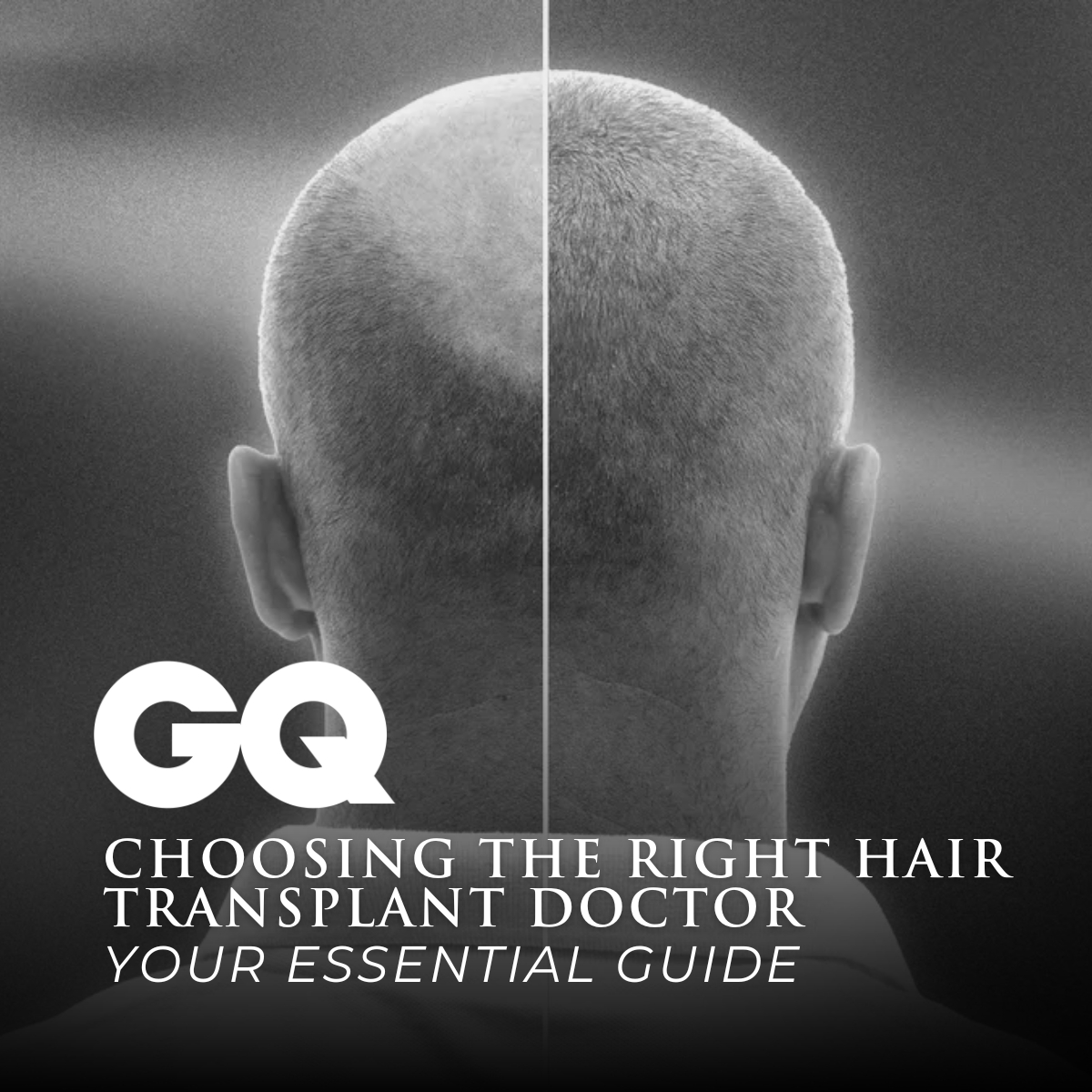
Not everyone is naturally blessed with a full head of hair, and if you’ve noticed a few too many hairs down the drain, you may be considering solutions. Options generally come down to embracing the change or exploring hair transplant surgery. If you’re leaning toward a transplant, there’s no shame in wanting to restore your hair—and your confidence.
A recent study by the International Society for Hair Restoration Surgery found that many people consider hair restoration at some point, with confidence being a major factor. In an age where image is everything, hair loss can feel especially discouraging. However, the path to hair restoration requires thoughtful planning, especially since the process can be overwhelming with numerous clinics offering varying levels of expertise and results. Here are some vital questions to consider as you navigate your options for a safe and effective hair transplant.
Key Questions to Ask Your Doctor
- Who Performs the Procedure? At high-quality clinics, critical aspects of the procedure, such as cutting and suturing, should only be performed by licensed doctors. Dr. Jason Champagne explains, “A qualified, licensed physician possesses a level of experience that allows for minimized risk and optimal outcomes for patients. Hair transplantation might sound minor and straightforward, but it requires skill and foresight to ensure results that last a lifetime.”
- What Qualifications Does the Doctor Hold? It’s essential to verify the doctor’s credentials. Reputable surgeons often belong to professional bodies like the International Alliance of Hair Restoration Surgeons (IAHRS), signifying they meet high standards in their field.
- Do They Provide Proof of Their Work? Reputable clinics provide authentic, clear photos and videos of past procedures. Avoid clinics that show poorly lit or out-of-focus images; instead, look for detailed, natural-looking before-and-after shots that showcase the soft transition of the hairline.
- Can You Speak with Former Patients? A trustworthy clinic often has a network of past patients willing to share their experiences. Independent patient vlogs on platforms like YouTube offer honest accounts and insights into the hair transplant journey.
- How Do They Handle Aftercare? Aftercare and follow-up are essential for successful hair transplants. Dr. Champagne notes, “The best physicians ensure regular follow-ups post-procedure, typically within the first two weeks, and then at six and twelve months to monitor healing and ensure satisfaction with the results.”
Types of Hair Transplant Techniques
There are two primary techniques used in hair transplants: Follicular Unit Transplantation (FUT) and Follicular Unit Extraction (FUE).
- FUT (Follicular Unit Transplantation): Also called “strip surgery,” this method involves removing a thin strip of skin from the donor area, which is then dissected to isolate individual follicular units. These units are carefully placed in the recipient area for natural growth.
- FUE (Follicular Unit Extraction): FUE involves extracting individual follicles directly from the scalp using a small circular punch. This technique is less invasive and leaves minimal scarring, making it an increasingly popular choice.
Steps in the Hair Transplant Process
When you visit a specialist like Dr. Champagne, a comprehensive consultation is essential. During this, the doctor assesses the donor area (usually the back of the head) for density and strength and evaluates the areas of thinning or baldness. Following the consultation, the doctor designs a personalized plan.
Once the procedure begins, the donor area is prepared, and local anesthesia is applied. The transplant typically takes place over one or two days, depending on the number of grafts needed. After surgery, the scalp may be sprayed with saline solution to keep it moist, which supports healing and helps minimize clotting.
Essential Aftercare Tips
- Avoid Touching the Area: Newly transplanted hair requires gentle care, so avoid touching or rubbing the area for at least three days post-procedure.
- Spray with Saline Solution: To help prevent clotting and maintain moisture, it’s often recommended to spray the area with saline solution in the hours following surgery.
- Careful Washing: While washing your hair is important to prevent infection, it’s essential to follow your surgeon’s instructions on timing and technique.
- Be Patient with Results: Initial shedding in the weeks following the transplant is normal. Your new hair will begin to grow in over several months, with full results typically appearing after 12 to 18 months.
- Consider Medication: Medications can help maintain the strength of existing hair and promote growth in the newly transplanted follicles.
What to Look for in a Hair Transplant Doctor
Selecting the right doctor for a hair transplant is crucial for a successful outcome. As Dr. Champagne advises, choose a practitioner who provides a realistic, long-term plan rather than quick promises. A trustworthy surgeon prioritizes education, ensuring you understand the process and know what to expect.
By taking the time to select an experienced, transparent specialist, you’re making an investment in yourself that can provide both lasting results and renewed confidence.


