
Hairline Lowering Surgery in Beverly Hills (Forehead Reduction)
Transform Your Forehead with Precision and Artistry
A closer look at the difference
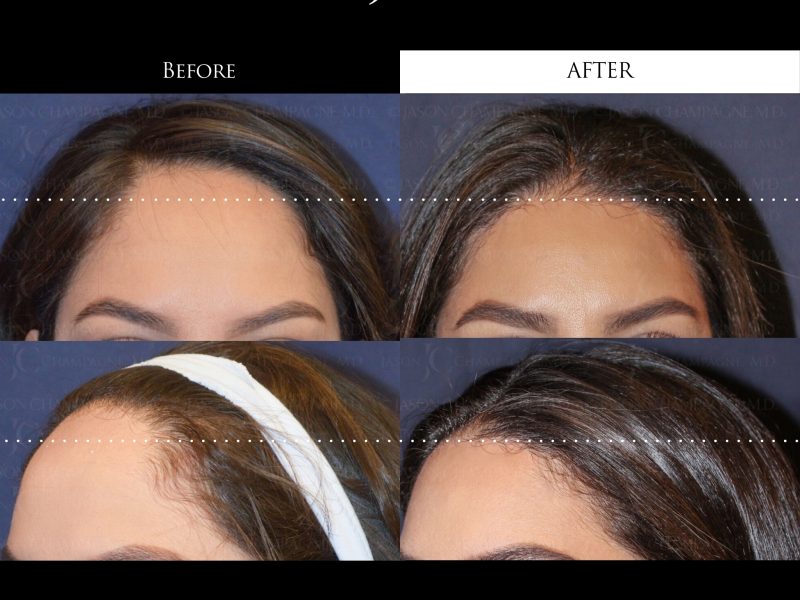
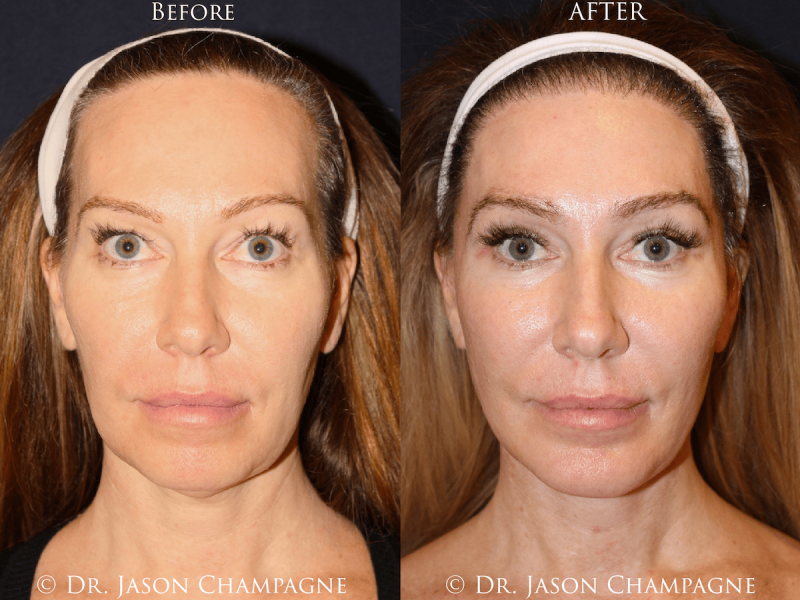
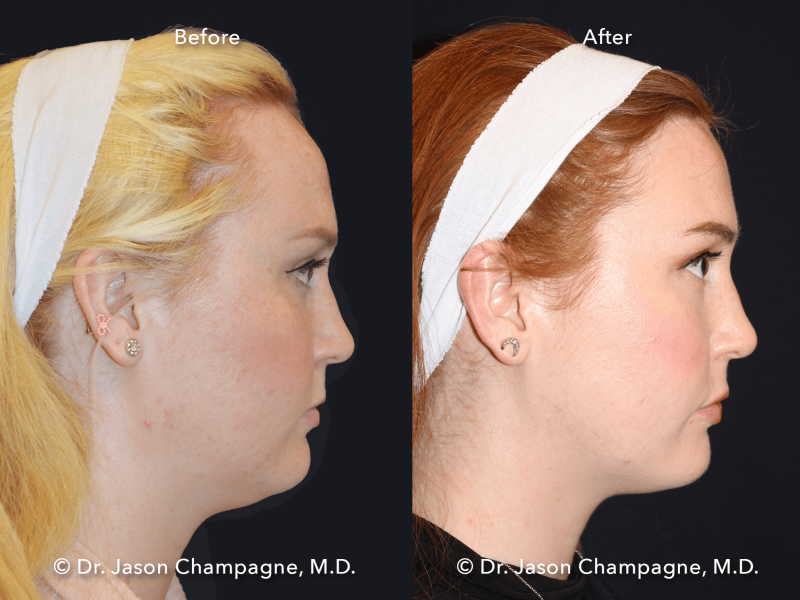
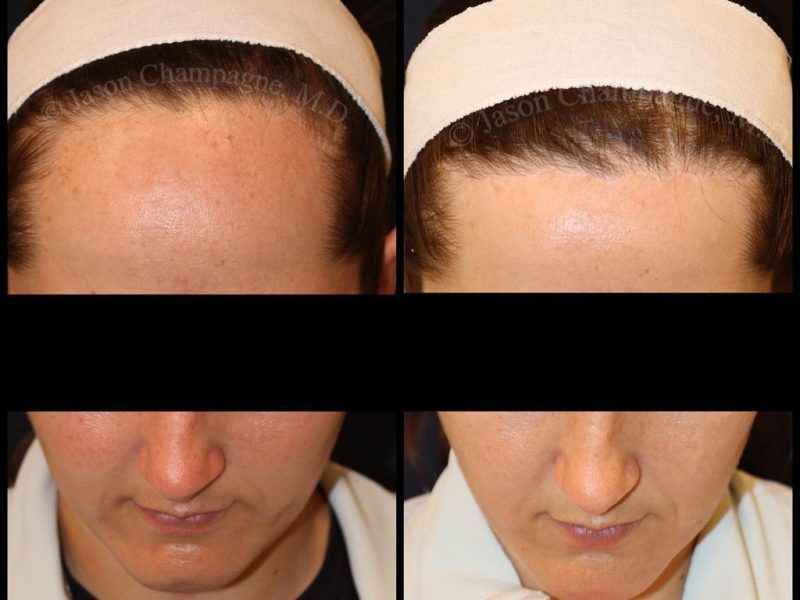
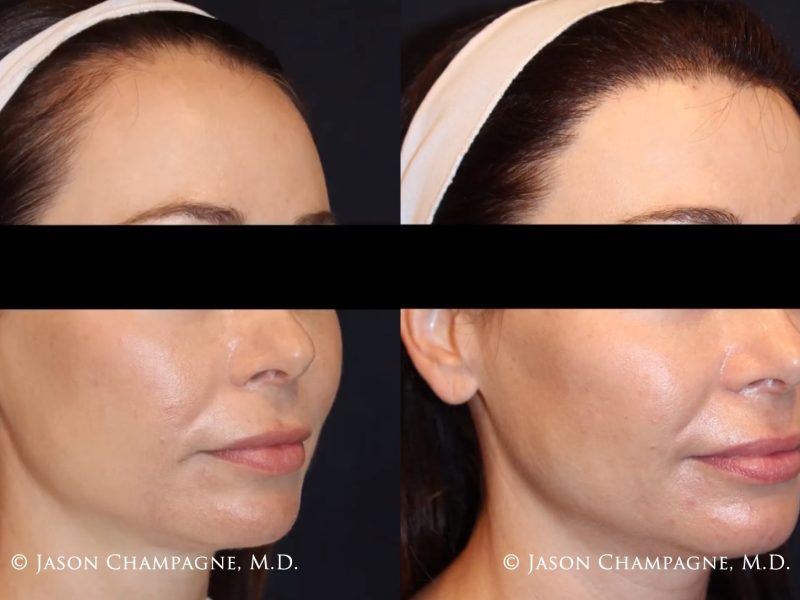
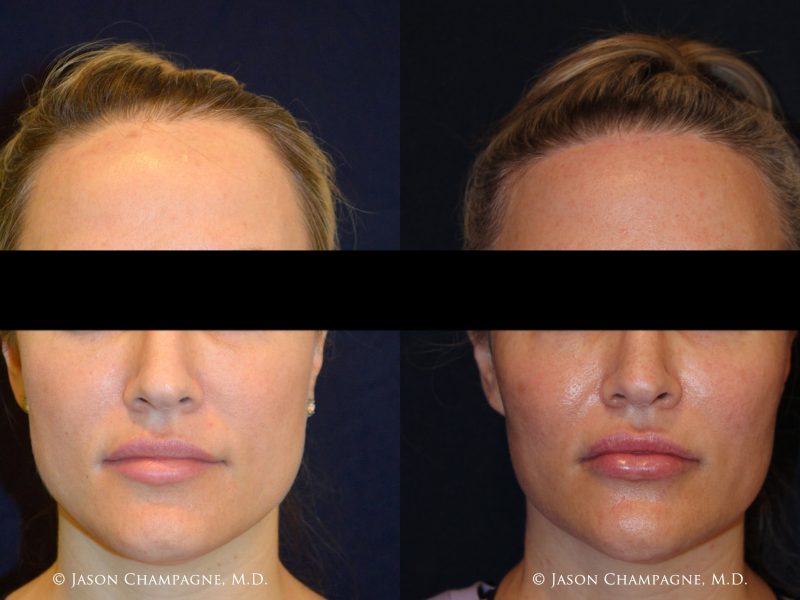
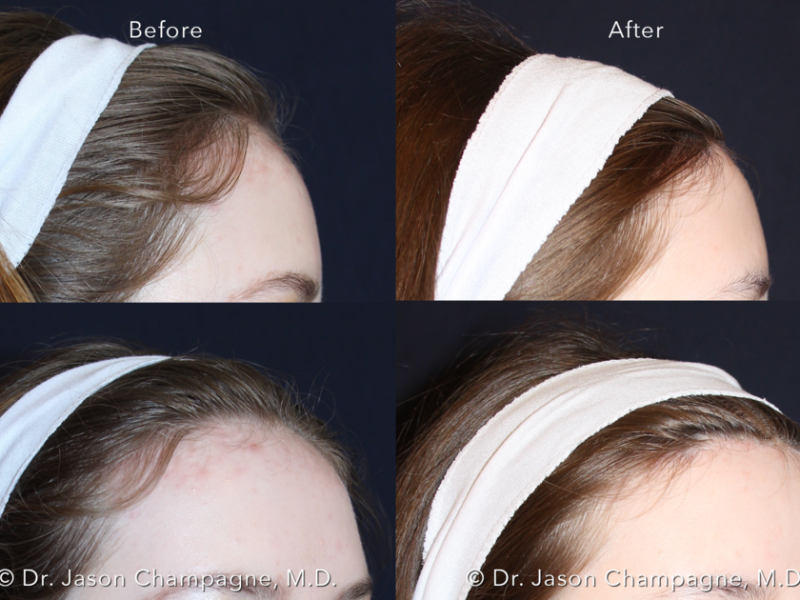
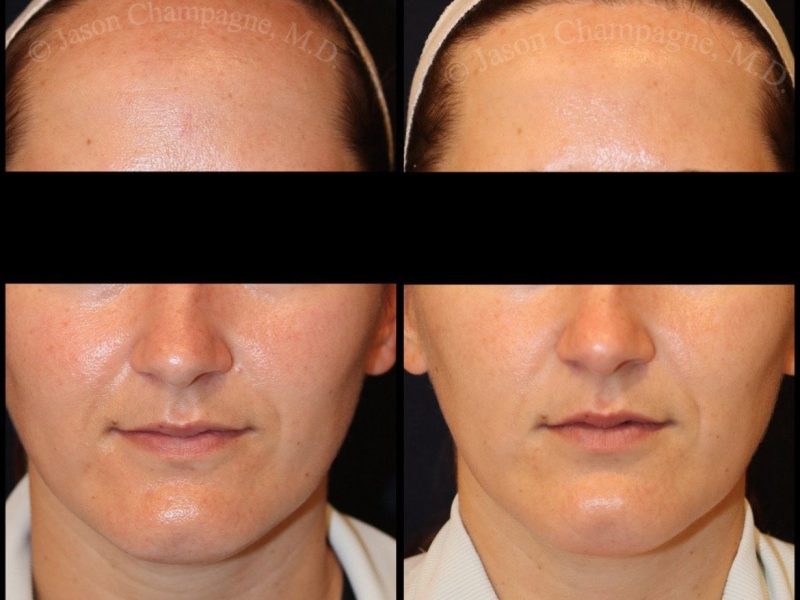
What is Hairline Lowering Surgery or Forehead Reduction Surgery?
Hairline lowering, also known as forehead reduction or hairline advancement, is a cosmetic procedure designed to reduce the height of the forehead by advancing the hairline. This surgery corrects facial disproportion caused by a high hairline and enhances overall facial harmony. Patients deciding between surgical advancement and follicular restoration can review the differences between hairline lowering and hair transplantation.
Dr. Jason Champagne’s signature method, Champagne HairlineRefine®, represents the gold standard in this category. With meticulous planning and execution, it delivers refined, seamless results that look completely natural.

SUITABLE FOR INDIVIDUALS AGED 16 AND UP, IDEAL FOR THOSE IN THEIR 20S TO 30S, AND ESPECIALLY BENEFICIAL FOR WOMEN OVER 40, THIS PROCEDURE IMPROVES FACIAL BALANCE, MINIMIZES FOREHEAD SIZE, AND LOWERS HIGH HAIRLINES WITH NATURAL-LOOKING RESULTS.
Dr. Champagne’s Approach to Hairline Lowering
A disproportionately high hairline or large forehead can distract from otherwise balanced facial features and deeply affect self-esteem. Many individuals hide their high foreheads with specific hairstyles, avoiding ponytails or pulled-back looks. Common causes include genetics, hair loss, or previous surgeries. Despite the prevalence, many are unaware of the effective, permanent solution offered by hairline lowering surgery.
Champagne HairlineRefine provides a precise, efficient way to reduce forehead size and advance the hairline. Ideally, the hairline starts between 5 and 6.5 centimeters above the eyebrows; anything significantly higher can result in facial imbalance. This technique restores proportionality with expert-level precision.
Champagne HairlineRefine®: A Global Leader in Hairline Surgery
As an internationally recognized expert in hairline lowering, Dr. Champagne has transformed the lives of patients from around the world. His Champagne HairlineRefine method is the result of years of innovation and expertise. He has even co-authored a textbook chapter on this exact procedure.
Surgical planning takes into account scalp laxity, hair density, and natural hair growth direction. While a previous coronal brow lift is a contraindication due to potential vascular compromise, many challenges can be overcome. In certain cases, hair transplantation is incorporated to enhance density. Dr. Champagne’s skillset allows him to perform successful procedures even in patients with limited scalp mobility, often without the need for tissue expansion.
Hear directly from Dr. Champagne


Recognized by Elle Magazine
Dr. Champagne was recently featured in Elle magazine, where he shared expert insight on the increasing demand for natural-looking hairline restoration. The article highlights how procedures like Champagne HairlineRefine® are helping redefine facial balance and confidence for a new generation.
Who Is a Candidate for Hairline Lowering Surgery?
- Women and men with a naturally high hairline or large forehead.
Individuals with good hair density and no progressive hair loss.
Those seeking a more proportionate and symmetrical facial appearance.
Patients with sufficient scalp laxity to allow for safe advancement.
Candidacy depends on factors including scalp flexibility, hair density, hair-loss patterns, health, and aesthetic goals. Learn more about who may be a candidate for hairline lowering surgery.
From consultation to recovery
What to Expect During Your Consultation
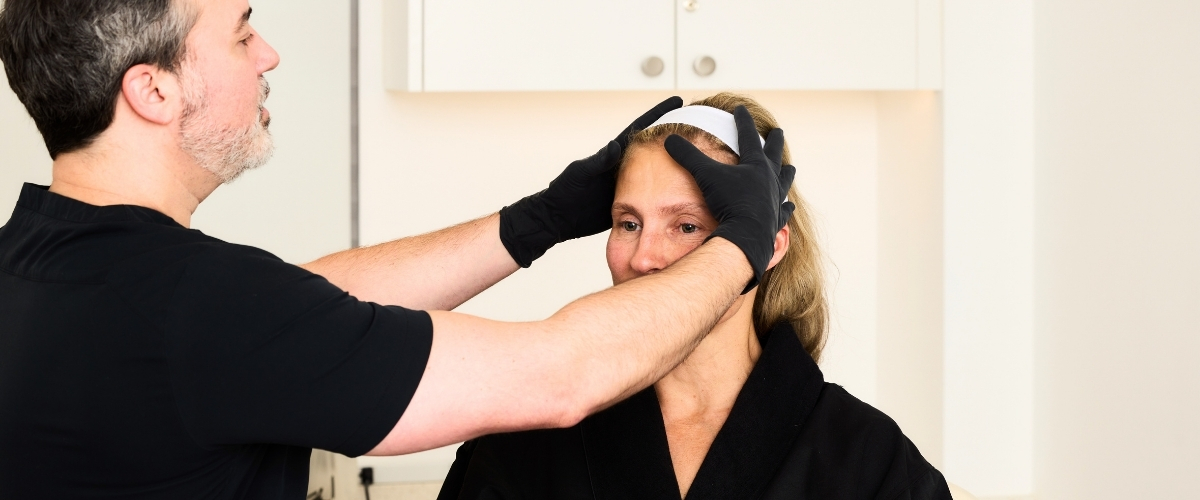
A detailed consultation with Dr. Champagne is essential to assess scalp laxity and suitability for the procedure.
During the initial consultation, Dr. Champagne will review your medical history and conduct a physical examination. Be ready to discuss your medical conditions, medications, and any allergies.
Dr. Champagne will evaluate your forehead’s symmetry and balance, take photographs for your record, and discuss your aesthetic goals and expectations. This session includes viewing before and after photos of previous patients to provide a realistic outlook on the potential results.
Preparing for Hairline Lowering Surgery
Depending on your health, preoperative lab tests may be required. If you smoke, you’ll be advised to quit in advance to support optimal healing. Dr. Champagne will guide you on discontinuing specific medications and supplements that may increase bleeding risk.
You should also make arrangements for someone to drive you to and from surgery, and have support at home during the initial stages of recovery.
For additional guidance, review how to prepare for hairline lowering or forehead reduction surgery.
Hairline Lowering Recovery: What to Expect
After surgery, patients may experience mild to moderate swelling and bruising, which typically resolves within two weeks. Temporary numbness around the hairline is normal and gradually improves over time.
Sutures are removed after one week, and most patients return to daily activities within a few days. Strenuous physical activity should be avoided for at least two weeks. Post-operative care is designed for a smooth and efficient recovery with lasting results.
Other Beneficial Procedures
To further refine facial aesthetics, many patients combine Champagne HairlineRefine with complementary procedures such as:
In selected patients, combining procedures may improve both hairline position and density. Learn more about combining hairline lowering and hair transplantation.
WATCH: CHAMPAGNE HAIRLINEREFINE® PROCEDURE EXPLAINED
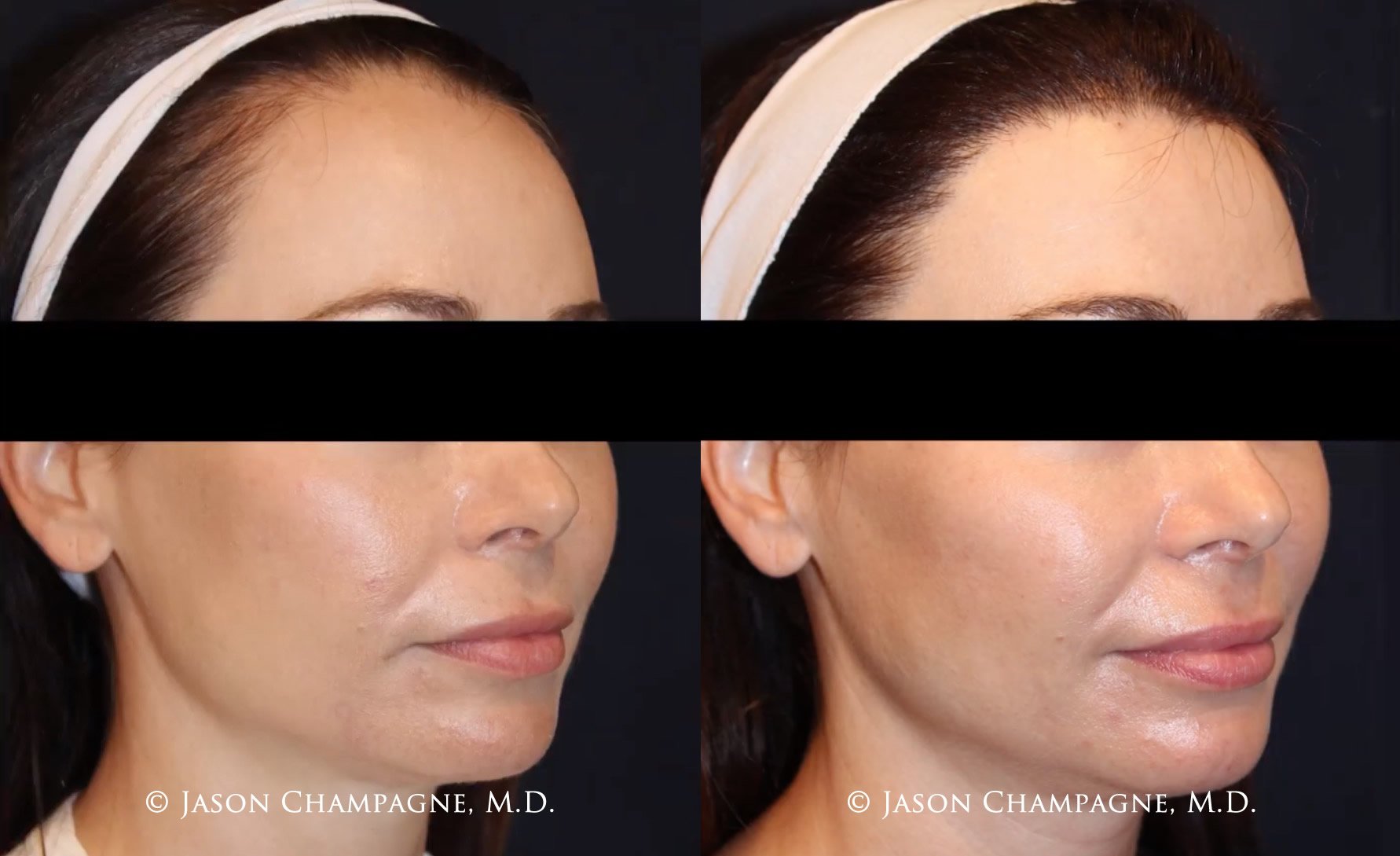
The surgical approach
Dr. Champagne’s work in the field of hairline lowering is featured in the respected Facial Plastic Surgery Clinics of North America series. His experience and clinical contributions reflect his commitment to advancing the field while delivering exceptional patient outcomes. For more detailed information on the anatomy, techniques, and recovery protocols, see the synopsis available below.
Synopsis
Hairline lowering or advancement, also known as forehead reduction, is a procedure that has been adapted and honed from scalp reduction and flap techniques. This procedure is particularly suited for individuals, typically females, with a lifelong history of a high hairline and no familial or personal history of progressive hair loss. It effectively and efficiently lowers the congenitally high hairline, resulting in very high patient satisfaction. In cases of a very high hairline or minimal scalp laxity, a two-stage procedure may be required. A thorough understanding of the relevant anatomy, surgical limitations, and a detailed patient history and physical exam are crucial for achieving desirable outcomes.
Key Points
- The ideal patient for hairline advancement is a female with a congenitally high hairline and no personal or familial history of hair loss.
- A trichophytic incision is key to scar camouflage.
- Preservation of the occipital arteries is crucial.
- The average scalp can be advanced up to 2.5 cm, especially if galeotomies are utilized.
- A two-stage procedure with scalp expansion prior to advancement is required for those with minimal laxity or significantly high hairlines.
Introduction
Hairline lowering or advancement as a standalone procedure has its origins in maneuvers utilized for scalp reductions and flaps. The procedure aims to correct the disproportion of the upper third of the face in a younger patient group without resorting to brow lifting. It addresses the self-consciousness associated with a high hairline or large forehead, offering efficient and effective reduction with immediately noticeable results. The procedure is most suitable for females with a congenitally high hairline and no history of progressive hair loss.
Preoperative Assessment and Planning
To optimize patient selection for hairline lowering procedures, comprehensive preoperative assessments are essential. This evaluation should meticulously examine scalp characteristics, focusing on scalp laxity, the direction of hair emergence, and identifying any frontotemporal recessions or points. These factors are critical not only in identifying appropriate candidates but also play a significant role in preoperative counseling, facilitating informed decision-making by patients. A key aspect of achieving desirable scar camouflage involves the direction of hair growth at the incision site. Ideally, hairs that grow forward through the anticipated scar area can significantly enhance scar concealment, a detail that will be elaborated upon later in this discussion.
Patients presenting with hairs exiting posteriorly, including those with cowlick patterns, are advised of the potential necessity for future follicular unit restoration—either through follicular unit transfer (FUT) or follicular unit extraction (FUE)—to effectively conceal the scar and achieve the best aesthetic outcome. Similarly, for individuals looking to address pronounced temporal recessions or to lower the hairline in areas with acutely angled, downward-facing temporal hairs, FUT or FUE may be recommended.
The preoperative consultation also involves measuring the height of the hairline, starting from a standardized point at the glabella, located at the interbrow region level. An average female hairline typically ranges from 5 to 6.5 cm from this reference point; hairlines extending beyond this range are considered elevated and may contribute to facial imbalance, particularly in relation to the lower third of the face. Assessing scalp laxity is a critical next step, performed by selecting a point on the forehead just below the hairline. Using the fingertip, the examiner moves the scalp tissue upward as much as possible, setting the maximal upward displacement point as the baseline at the glabella. The same process is repeated in a downward direction, and the distance between the two points of maximal excursion is measured. Additionally, evaluating the ease of anterior and posterior movement of the hair-bearing scalp, along with the pinch test on forehead skin, helps estimate the potential for hairline lowering. Typically, a distance exceeding 2 cm suggests the feasibility of advancing the hairline by a similar measure in a single-stage procedure, which corresponds to a 25% reduction of the forehead for an individual with an 8 cm high hairline, for instance.
Potential risks and complications associated with hairline lowering include bleeding, infection, telogen effluvium (or “shock loss”), and scalp necrosis. Post-operative scar concerns such as widening, visibility following future hair loss, changes in pigmentation, and the potential need for hair grafting sessions or scar revisions for enhanced concealment are also discussed, though such issues are infrequent in the author’s practice. Patients are informed to expect a reduced sensation over the frontal scalp area, which typically persists for 6 to 12 months following the surgery.
Hairline Marking
Surgical Technique

FIGURE 1: Trichophytic Hairline Advancement
- Side view of hairline incision design (upper left) and top view (lower left).
- Hairline-scalp anatomy detailed through a step-by-step process showcasing the incision and advancement techniques.
- Superiorly, the incision by the hairline is made beveling forward at an angle approximately 90˚ to the natural exit of surrounding hairs. Inferiorly, a similar incision is made over the forehead.
- Non-hair-bearing forehead tissue, including skin, frontalis muscle, and galea, is fully excised to advance the scalp forward, allowing transected follicles along the hairline incision line to grow through the scar, enhancing camouflage.
The surgical approach includes only the first 2 to 3 hairs behind the transition point of fine hairs of the anterior hairline to more coarse and dense follicular units, allowing for slight hairline shape modifications. The procedure minimizes bleeding through tumescence and careful avoidance of the superficial temporal arteries, with dissection in the subgaleal plane. Scalp advancement uses a D’Assumpção clamp or similar device for measuring overlap, with galeotomies aiding in further advancement if necessary. Paramedian Endotines placed in the calvarium help relieve tension, distributing the scalp’s stretch and maintaining hairline density post-operation. The galea and skin closure emphasize meticulous beveling for optimal scar camouflage.
Postoperative Care
Postoperative management includes immediate application of long-acting local anesthesia for comfort and a pressure dressing, removed the next day to allow resumption of non-strenuous activities. Minimal edema and rare ecchymosis support the strong, layered closure technique, with potential brow lift procedures increasing periocular edema risks. Scalp insensitivity lasts 6 to 9 months, with Endotines dissolving before sensation returns, ensuring patient comfort and hypoesthesia resolution.
Tissue Expansion
For cases requiring more than the average advancement due to minimal scalp laxity, a two-stage procedure with initial tissue expansion is recommended, allowing for gradual scalp stretching over weeks. This method accommodates significant advancements, with patients managing temporary scalp enlargement through various concealment strategies until the second stage of direct advancement is performed.
Summary
The single-stage hairline lowering technique, with diligent preoperative planning, achieves up to 2.5 cm of advancement for scalps with average laxity, delivering long-term, satisfactory outcomes. In cases of very lax scalps, advancements of up to 3.5 cm have been successfully achieved. The procedure, equating to an extensive FUT/FUE session in terms of morbidity, is highly efficient, moving an average of 3000 follicular units at once. The two-stage procedure, despite its longer duration and additional operation cost, remains a cost-effective solution for significant advancements, ensuring overall patient satisfaction with minimal morbidity.
Hairline lowering FAQs: Insights from Dr. Champagne
Q. What is Hairline Lowering (Forehead Reduction) surgery?
Q. What is Champagne HairlineRefine®?
Q. Who is a good candidate for hairline lowering surgery?
Q. Can men undergo hairline lowering surgery?
Q. How is the procedure performed?
Q. Will Forehead Reduction Surgery Leave a Visible Scar?
Q. How long is the recovery after hairline lowering?
Q. Can hairline lowering be combined with other procedures?
Q. What results can I expect?
Q. How long do the results last?
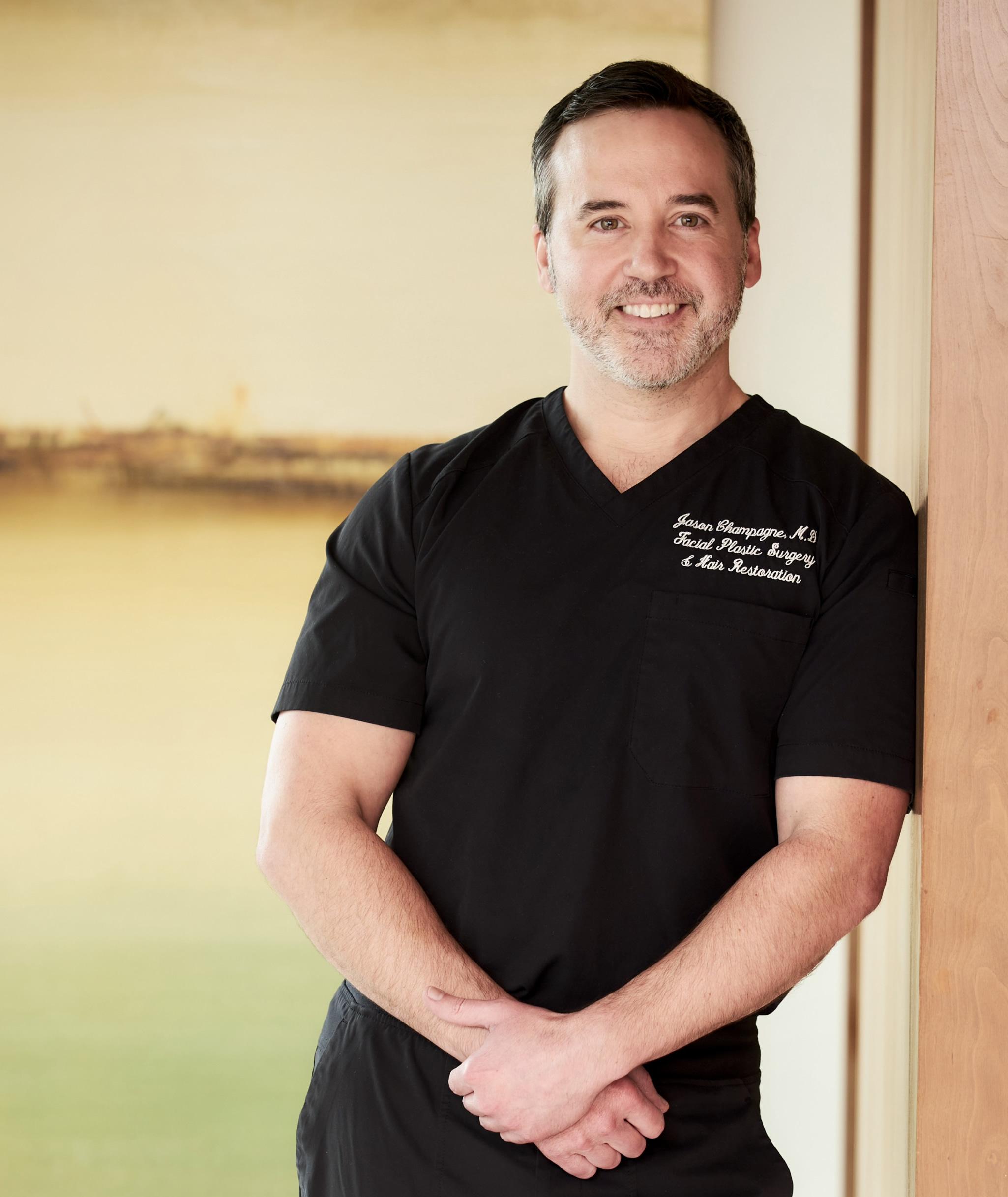
Let's Embark on Your Transformative Journey Together
Book a private, online consultation or an in-person appointment.
At the office of Dr. Jason Champagne, we prioritize your convenience and choice, offering both virtual consultations and in-person appointments. Begin your personalized care journey with Dr. Champagne, who is dedicated to understanding your goals and creating a tailored plan covering your procedure, travel arrangements if necessary, and follow-up care for a truly individualized experience.
To choose your preferred consultation method, simply click the button below. You’ll be directed to our contact page where you can share your preference. Our patient coordinator will reach out to arrange your consultation with Dr. Champagne at a time that best fits your schedule.
Have a Question About Hairline Lowering?
Request a callback from Dr. Champagne’s patient liaison to ask general questions, learn about the consultation process, and explore in-person or virtual appointment options.
