
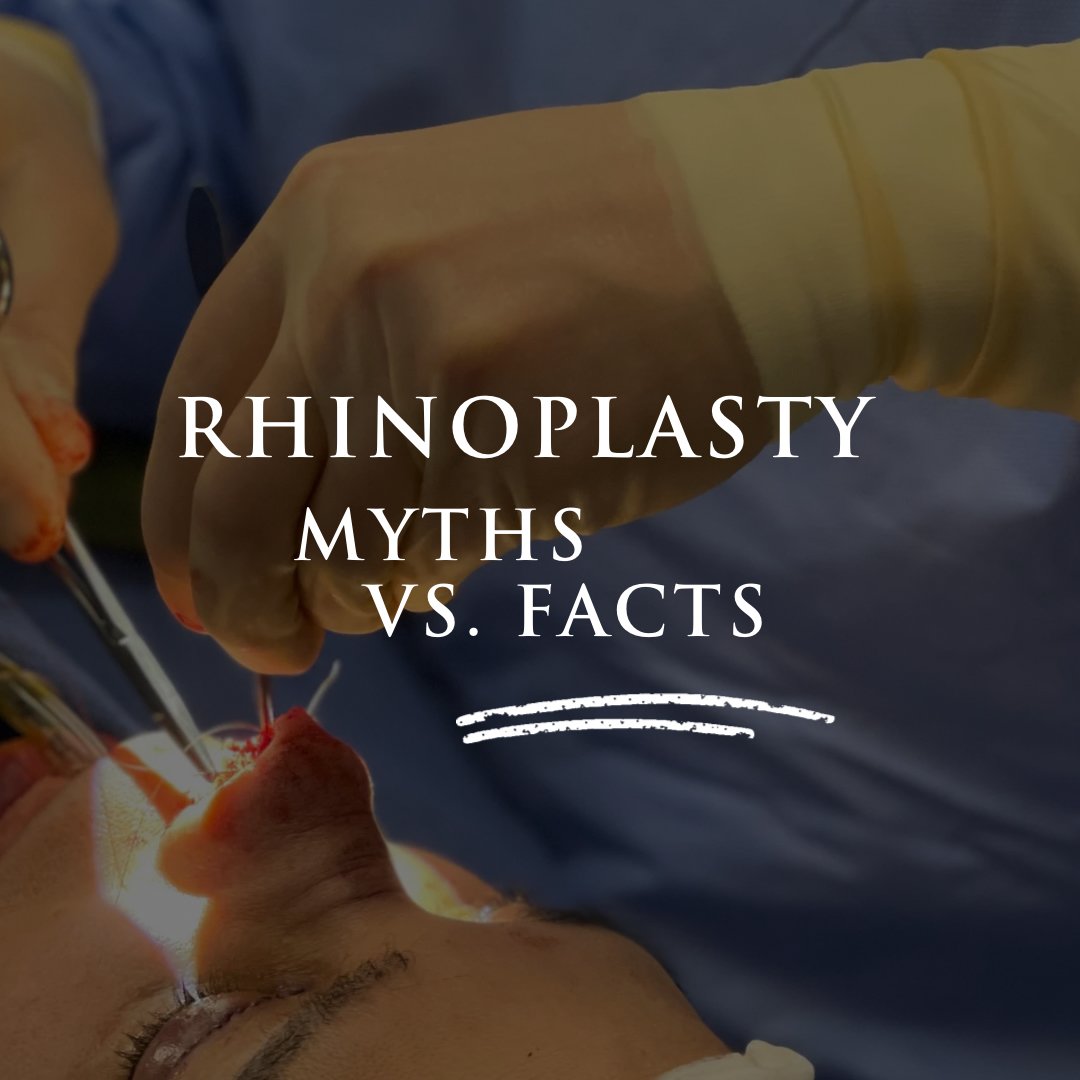
Rhinoplasty, like many medical procedures, is surrounded by a mix of myths and facts. Understanding these can help set realistic expectations and make informed decisions. Here’s a breakdown:
Myths
-
Myth: It’s Purely Cosmetic
-
Fact: While rhinoplasty is often performed for cosmetic reasons, it can also correct functional issues like breathing difficulties due to structural problems in the nose.
-
-
Myth: The Results are Instant
-
Fact: The final results of rhinoplasty can take up to a year to fully materialize. Swelling needs to subside and the nose needs time to heal and settle into its new shape.
-
-
Myth: Any Plastic Surgeon Can Perform Rhinoplasty
-
Fact: Rhinoplasty is a complex procedure. It’s important to choose a surgeon who is specifically trained and experienced in nasal surgery.
-
-
Myth: Rhinoplasty is Extremely Painful
-
Fact: While there is discomfort, severe pain is uncommon. Pain is typically manageable with medication and subsides within a few days.
-
-
Myth: You Can Choose Any Nose Shape
-
Fact: The new nose shape must fit the patient’s facial structure. Dr. Champagne considers facial symmetry, proportions, and the patient’s unique features when planning the surgery.
-
Facts
-
Fact: Age Matters
-
Dr. Champagne typically recommends waiting until the nose is fully developed before undergoing rhinoplasty. This is usually around 16-18 years old.
-
-
Fact: There Are Limits to Size Reduction
-
There’s a limit to how much you can safely reduce a nose’s size while maintaining proper function and a natural look.
-
-
Fact: Revision Surgery is Possible but More Complex
-
While revisions are possible if the initial results are not satisfactory, revision surgeries are generally more complex and require a highly skilled surgeon.
-
-
Fact: Rhinoplasty Can Improve Breathing
-
For patients with structural issues like a deviated septum, rhinoplasty can significantly improve nasal breathing.
-
-
Fact: Recovery Time Varies
-
Recovery varies by individual, but most people can return to normal activities within a couple of weeks, with full recovery taking up to a year.
-
Understanding these myths and facts can help in having a realistic view of what rhinoplasty involves and what it can achieve.


